Tomorrow I will be introducing people to Agent Substrate, and like always for each presentation, I needed to create my slide deck. I've been doing conference talks for over a decade now and of course, my slide deck style evolved over time. But it was always visual: words distract from the story; visuals enhance it.
Although I had a phase when I made decks with lots of text with the idea that the deck could stand on its own. For decks meant to be used within the company, this was kind of fine, but the style bled over a bit into my public speaking. Now this is finally fading away. I'm sticking to my roots and staying on the visual route. For me, though, visual doesn't mean a static image; I mean step animations. Yes, a static visual can relay what's going on, but a step animation does it so much better.
When I look back, two presentations stick out that I'm most proud of: my presentation about SplittableParDo in Apache Beam, and the presentation about how we manage our tenants leveraging the Argo suite. The SplittableParDo one was completely created in Google Slides, but as you can imagine, doing step animations was a lot of work; yet it remained my style for a while. Certainly at the time, I did a lot of presentations as a Google Developer Expert and Google Slides was the tool of choice.
Then I switched jobs, and my work reality was multi-cloud, which meant that my focus shifted more towards the CNCF stack. This meant I wasn't bound to Google Slides anymore, so I could broaden my horizons. I had been using reveal.js to make some presentations in the past, but it was almost impossible to make step animations—until I realized that slides.com was a visual editor for reveal.js. So you could have the best of both worlds: I could make my step animations visually and still use reveal.js. That's what I ended up using for my ArgoCon presentation, and it enabled me to create more dynamic animations.
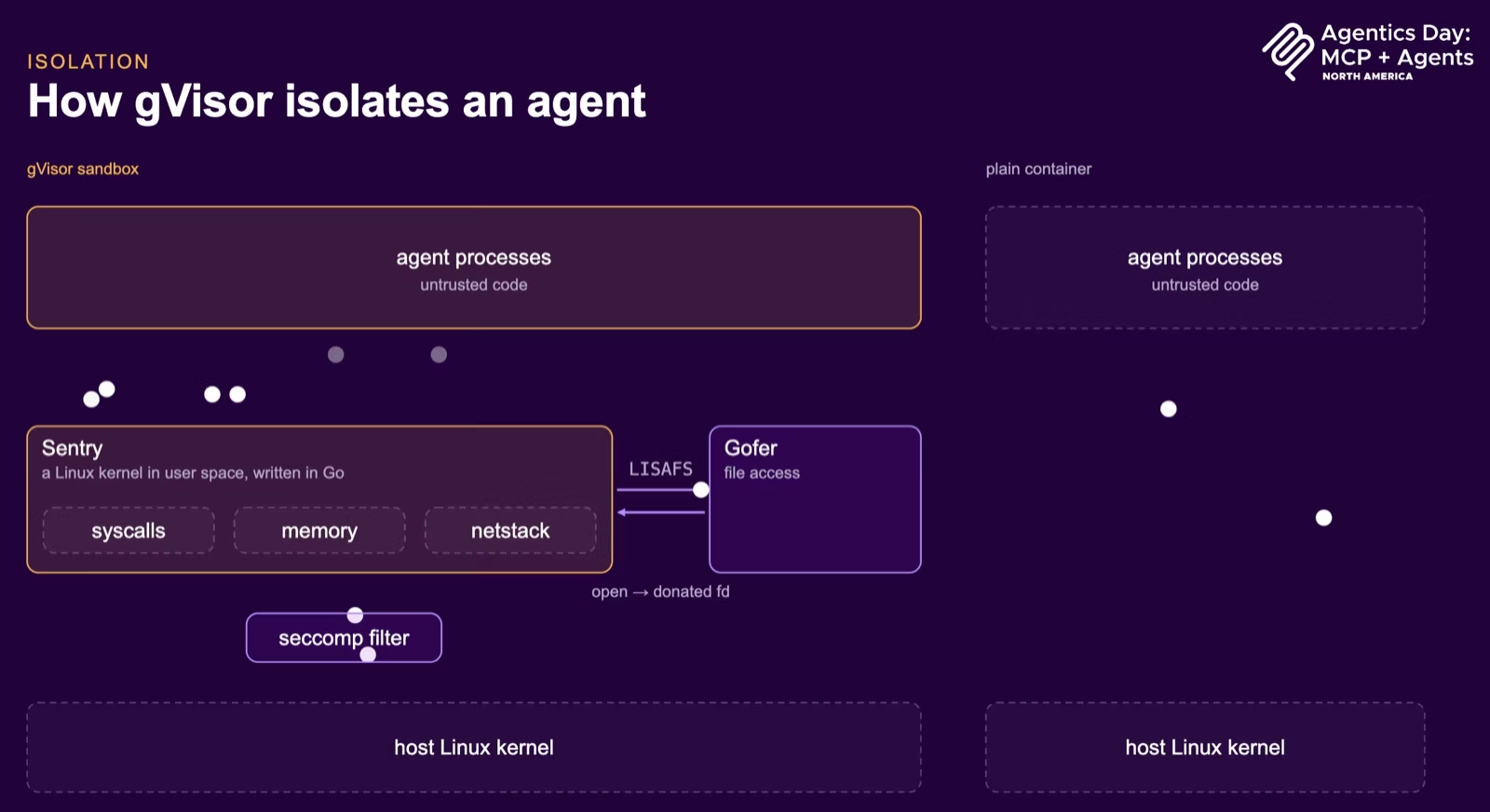
But a lot has changed over recent months: with AI taking over our coding work, I thought, well, let's try to make my deck with AI coding agents as well and see how it goes. Contrary to most presentations, I started early (two weeks before the presentation). That way, if this failed, I had a backup plan: just start over the classic way. Well, I think I succeeded, and I'm proud of the result. Yes, the deck was created with AI, but I still poured in a week of work refining each and every animation, and I'm not going to apologize for it. The end result is how I want the animations to be, and they are there to help support the story. This is what presentations are supposed to be: inspiring others, and pointing them in the right direction. If the animations can help serve as a guide, then I'm more than happy.
So what's the secret sauce for my latest slide deck? It's simple: Claude Code and Opus 5.5, with no specific skill—I just gave it some hints about the style I wanted (looking at past presentations) and started from my abstract. A week later, and I got a finished presentation; although it was probably the longest I ever worked on slides, having them ready a week before the event was also a personal record. A bonus was that it gave me a strangely relaxed week before a talk—a strange feeling... Now I hope that the animations won't be a distraction, and I need to have a new game plan for my next talks.